
The current project suffers from technical problems and an excessive increase in employment.
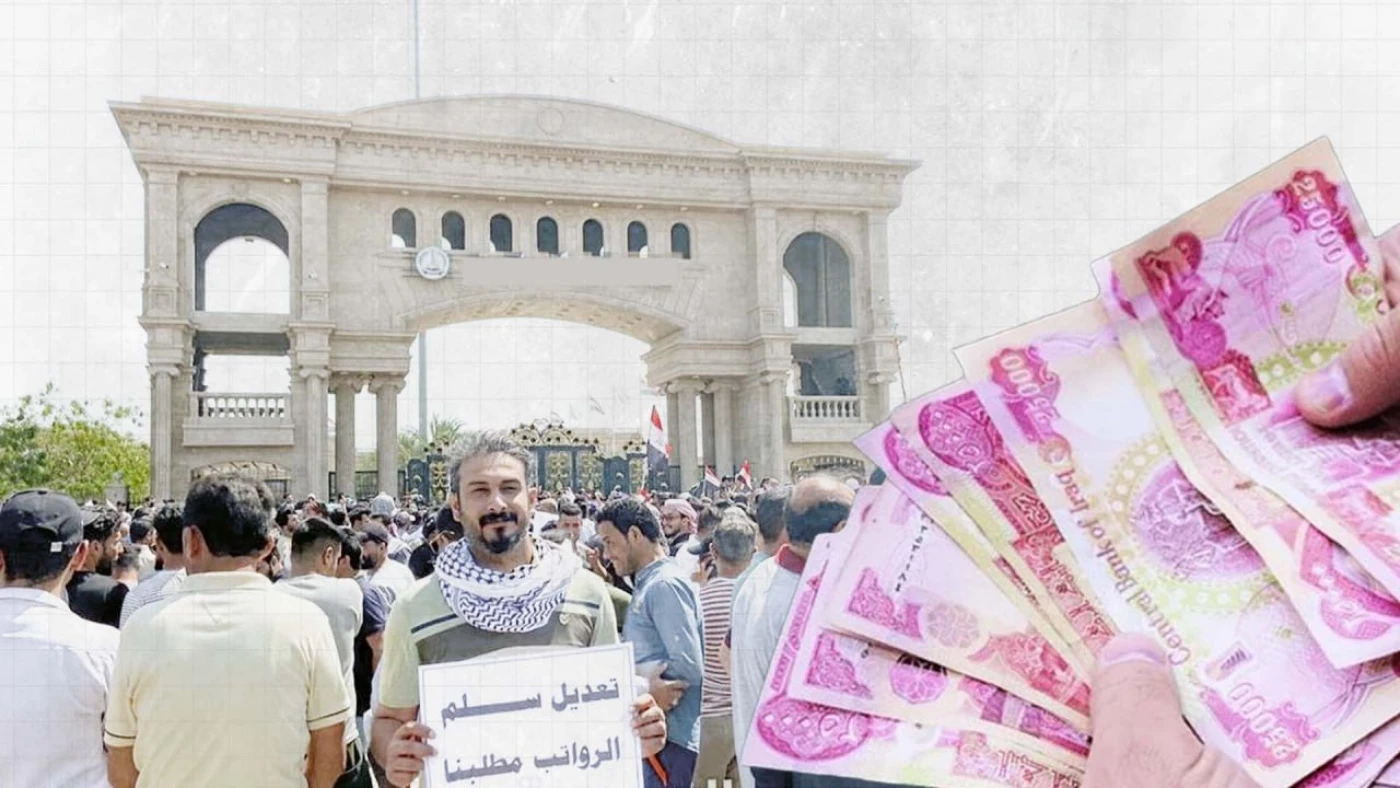
Parliament reveals reasons behind the delay in the salary scale and demands its approval this yearExclusive – Al-Sabah Al-Jadeed:The Iraqi Parliament continues to pressure the government to approve the employee salary scale within the current year. MPs state that the delay is due to several reasons, mainly the appointment of around one million additional employees and technical issues with the proposed scale.Educators have staged large demonstrations demanding their rights, especially salary increases, which led to confrontations with security forces. Consequently, Parliament held a session to discuss the issue last Thursday.MP Moein Al-Kadhimi said:“The salary scale proposal is still on the table, aiming to achieve justice and fairness among employees.”He added:“Salaries in many ministries, such as Education, Environment, Industry, Agriculture, and Culture, are low compared to other government institutions.”He pointed out:“Some ministries receive high salaries and allowances, especially the three presidencies, which necessitates a review and moderation of these allocations.”Al-Kadhimi noted:“The current situation is pushing some employees to seek transfers to institutions with higher benefits instead of staying in their own ministries.”He emphasized:“Employees often hold the same job title and degree, yet receive different salaries depending solely on their workplace.”He noted that:“Parliament is urging the government to review the salary scale and reduce disparities among institutions.”MP Firas Al-Maslamawi said:“Parliament has issued a decision obligating the Council of Ministers to approve the new salary scale.”He continued:“The upcoming scale, which we hope to approve in this session, will not only cover educators but all state employees.”He stressed:“The message from Parliament is that this movement is not limited to one group, but will accelerate the approval of the new scale.”MP Mohammed Anouz said:“Setting the salary scale is an exclusive responsibility of the government, not Parliament.”He explained:“The government controls financial policy, which is mainly based on state revenues—especially oil, which funds over 90% of the public treasury.”He clarified:“Parliament's role is limited to approving the general budget, through which government operations are clarified and adjusted within constitutional limits.”He emphasized:“The government is capable of passing a fair salary scale,” noting that “the government committee tasked with reviewing the scale is working with data from 2021.”He added:“About one million jobs were created in 2022, and this sharp increase is a major cause of the delay in modifying the scale.”He concluded:“The current project also suffers from technical issues, especially regarding the unequal percentage increases across job grades.”
Reports
The current project suffers from technical problems and an excessive increase in employment.

Reports Confirm Iran's Involvement in Training Polisario Fighters and Holding Them in Syria
Comments List