
Ismail Zayer Documents the Pioneering and Modernist Role of Exiled Artists
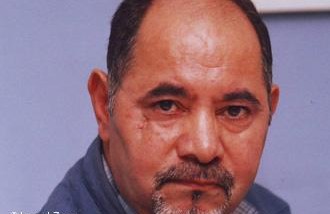
In his new book (Iraqi Plastic Modernism), the late author (journalist and visual artist) Ismail Zayer addresses the phenomenon of exiled artists and the history of migrations that made artists part of the victims of Iraq’s cultural scene, beginning in 1963, continuing in 1968, and deepening after 1987. He distinguishes between two types of exile: the first is the Eastern exile, where artists initially headed to Lebanon, with around 80 painters arriving in Beirut, most of whom held leftist inclinations. The second is the European exile, where artists initially worked as tourist painters until they could stabilize their circumstances, fund their serious works, and integrate into the Western consumer market.Mustafa Al-MoussawiHerbert Read, one of the most prominent Western art critics of the twentieth century, states that “art is the construction of truth” and that “the artist is simply the person who has the ability and desire to transform their visionary perception into a material form. The first part of their act is (perceptual), and the second part is (expressive).” Modernism in Iraqi visual art was nothing but an attempt to construct truth through an expressive aesthetic achievement perceived by a specific audience. Although the concept of modernism is somewhat linked to a break with tradition, Iraqi plastic modernism did not aim to sever all ties with the past or search for new forms of expression. Instead, it was often an attempt to rediscover and excavate the accumulated artistic heritage in the historical memory of Iraq’s ancient civilizations, re-presenting it through innovative expressive styles and forms, infused with symbols and references drawn from this memory, meeting the evolving artistic and cultural tastes of people over time and events.(Iraqi Plastic Modernism: Early Flight Over a Turbulent Sky)A new book recently published by Al-Sabah Al-Jadeed Publishing House, authored by the late writer, journalist, and visual artist Ismail Zayer, sheds light on an important branch of knowledge and creativity: contemporary Iraqi visual art and its beginnings in the modern era since its launch in the first half of the twentieth century, spanning over half a century. The author also documents the pioneering and modernist role of certain artists in this field, in addition to studying significant experiences of several Iraqi artists.The Founding Phase of the Modern Iraqi Visual Art MovementThe author notes that centuries of Ottoman rule led to the erasure and obliteration of the artistic and aesthetic experiences accumulated by Arab and Islamic peoples until the fifteenth century. The Baghdad School of Arts in the thirteenth century was just one facet of this heritage. However, with the end of the Ottoman era and the entry of Western colonialism into Iraq and the region, a new phase began, characterized by the reception and transfer of new visual expressions developed by the art movement in Europe and the West. This transfer initially occurred through military institutions that absorbed some Arab and Turkish officers, followed by sending local students abroad for education.Iraqi visual art was an important branch of culture and an integral part of the intellectual and creative movement in modern Iraq. For a long time, it served as a true observer of the movement of life, people, relationships, and change, expressing the course of history. This art surged forward with the beginning of the modernization of Iraqi society, which became evident in various fields by the late 1940s and early 1950s. During this period, it became a key factor in discovering and shaping Iraqi identity, serving as a primary catalyst for change and modernism in Iraqi society, alongside other art forms and branches of intellectual creativity across various domains.
Supplements
Ismail Zayer Documents the Pioneering and Modernist Role of Exiled Artists
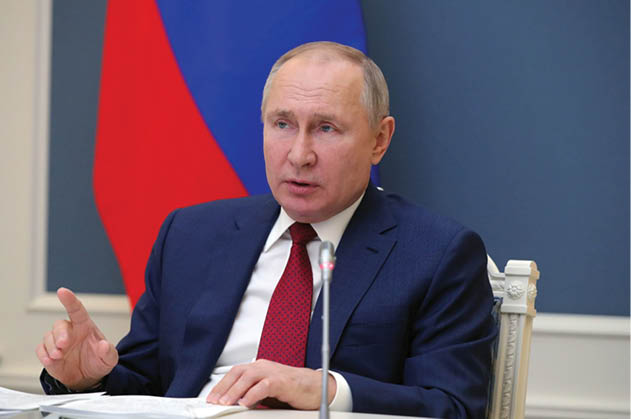
Why the Middle East Understands Putin
Comments List