
Why the Middle East Understands Putin
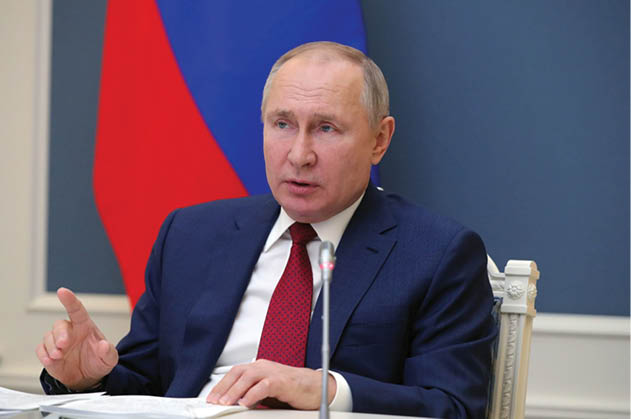
Michael YoungOne should avoid falling into cultural determinism, but the war in Ukraine has highlighted vastly different perceptions of power and victory between Western nations and Russia. Unsurprisingly, many Arab governments appear more adept at grasping President Vladimir Putin’s logic and calculations than his Western critics.When Russia invaded Ukraine and Ukrainians resisted, initially with success, the narrative resembled a Hollywood movie: the underdog triumphing over an evil aggressor. In April, U.S. Defense Secretary Lloyd Austin declared, “Ukraine clearly believes it can win, and so does everyone here.” He added that Russia was failing and the U.S. wanted to see the Russian military “weakened.” President Joe Biden even said Putin “cannot remain in power.”Today, things look quite different. Russian forces have made major gains in Eastern Ukraine, while rising energy prices are benefiting Russia. Biden recently claimed that President Zelensky “didn’t want to hear” warnings of the impending invasion, hinting that had Ukraine taken those seriously, it might have avoided its current ordeal. This is a far cry from the early comparisons between Zelensky and Winston Churchill. Western countries are now divided, and Russia, despite claims of Putin’s madness, is the one prevailing.Certainly, Russia will suffer from long-term sanctions. But Putin seems willing to pay that price rather than accept defeat in Ukraine. For now, Russia has secured access to Crimea, crippled Ukraine’s industrial region, and shown both the West and Ukraine that there are limits to how far Western support can go.From an Arab perspective, this is familiar. Western definitions of war and victory often hold little relevance in the Middle East. Victory is often about endurance, not dominance. Hezbollah declared its 2006 war against Israel a victory, despite not meeting classical military criteria. Iran, under decades of U.S. sanctions, continues to pursue its ideological path, undeterred.Russia's stance mirrors this mindset: perseverance against a stronger West. When Western leaders claim Russians will rise up against Putin, they seem out of touch. Putin’s primary concern is retaining power — similar to how Arab regimes from Syria to Algeria react when threatened.What Arab leaders don’t sympathize with is Ukraine’s rigid view of its options. At one point, Zelensky could have pursued survival, allowing room for negotiation. In February, French President Macron floated a “Finlandization” model — which critics derided — but was it wrong? Finland remained sovereign and free, despite constraints during the Cold War.My former colleague Dmitri Trenin noted Ukraine had a stark choice: The U.S. made it clear it would not defend Ukraine militarily. In such cases, the wise course might be to strike a deal to preserve what remains.Middle Eastern and North African states are all too familiar with compromised sovereignty. Lebanon endured Syrian, now Iranian, influence. Saudi Arabia wielded power in Yemen, until Iran stepped in. Iran influences Iraq and Syria; Turkey controls parts of northern Syria. Egypt has long played a role in Sudan.Sovereignty in the region is fluid and ambiguous. It's not ideal, but nations have adapted, often to buy time. If Ukraine had delayed the invasion diplomatically, it may have avoided ruin. After Lebanon’s civil war, Syria imposed harsh terms — until 2005, when mass protests following Rafik Hariri’s assassination forced them out.Defending freedom and sovereignty is noble — but only if feasible. Otherwise, suicidal resistance might not be the best path. Ukraine’s devastation may prompt a rethink of the early war narrative. Zelensky’s “Churchillian” rhetoric may wear thin if the cost is national ruin. History often favors those who resist emotional impulses and opt for long-term strategic interests.Arab states may be authoritarian and flawed, but they’ve mastered survival. And unlike the West, they aren't squeamish about power. That’s why many have avoided condemning Putin — they see in him a kindred spirit.
Supplements

Ismail Zayer Documents the Pioneering and Modernist Role of Exiled Artists
Why the Middle East Understands Putin
Comments List