
The Salary Crisis Sparks Iraqi Street Outrage.. Will the Upcoming Reform Bring Justice or Deepen Division?
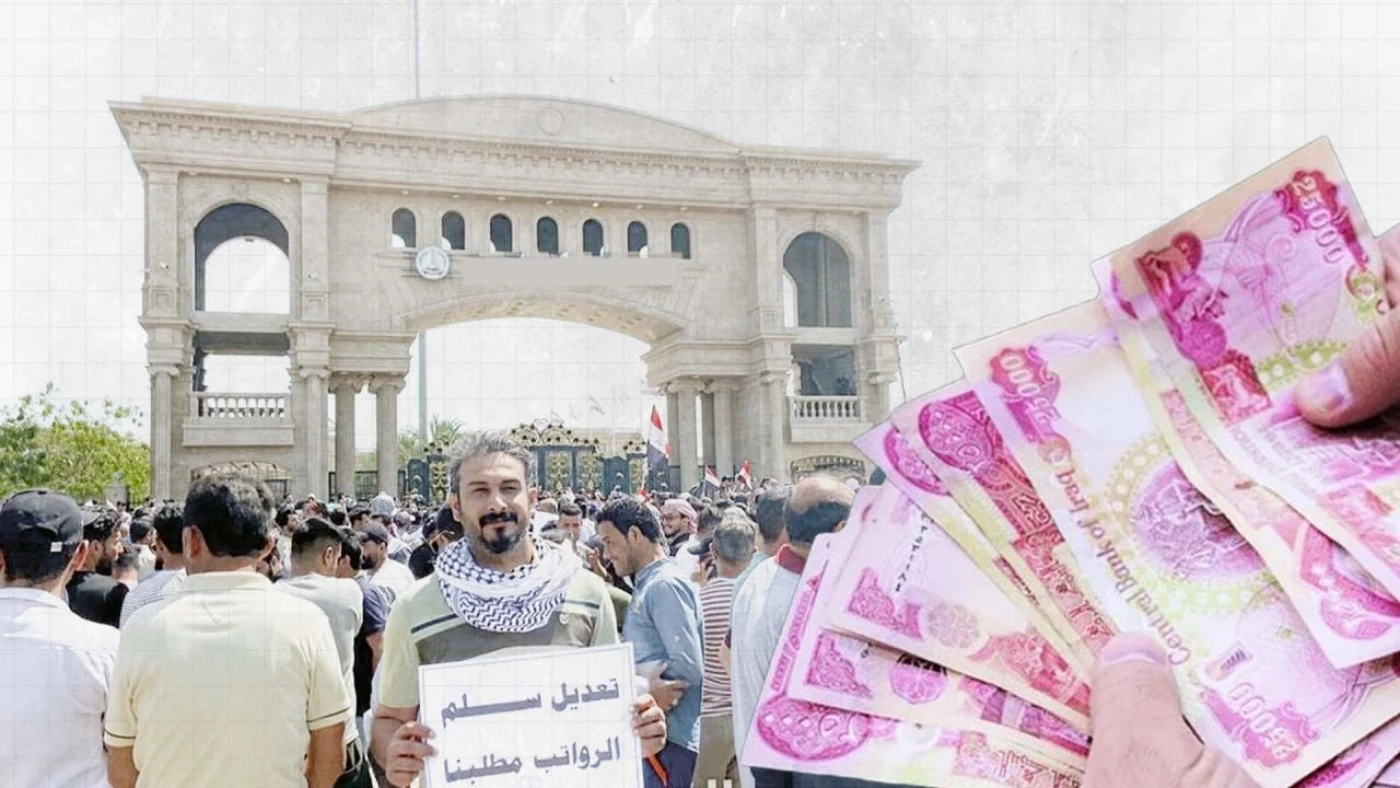
Follow-up — Al-Sabah Al-Jadeed:Amid talks of reform and employees' complaints, controversy has reignited over Iraq’s “new salary scale,” where stark disparities exist between high-ranking officials receiving millions and ordinary employees struggling to make ends meet mid-month.With growing public and union pressure, voices are rising in parliament demanding an end to this chronic imbalance in job fairness, while political blocs oscillate between promises of equality and interests that could hinder the awaited reform.On December 18, 2024, the Ministry of Finance stated that the new salary scale is not solely its responsibility, adding that it has provided available data to relevant authorities.The ministry emphasized it supports employee rights and aims to meet living needs, but the task requires cooperation from all spending units, especially as it lacks a unified biometric system. It also confirmed its role is executive, adhering to laws and legislation, and that the relevant committee includes multiple executive, legislative, and oversight bodies.Employees Demand JusticeEmployees from the Ministries of Culture and Agriculture expressed frustration over their low allowances compared to others, calling for comprehensive reform of the salary scale to ensure equality across state employees.Taif Al-Samarrai, from the Ministry of Culture, said: “Our allowances don’t reflect the nature of our cultural preservation work.”Laith Mohammed, from the Ministry of Agriculture, said: “We work in harsh field conditions, yet receive meager benefits, while others in offices get high allowances.”Employees demanded that upcoming amendments to the Civil Service Law address these discrepancies to ensure job justice and economic stability.Currently, the minimum salary for tenth-grade employees is 170,000 IQD (base), with an added 50,000 IQD for spouse and 10,000 IQD per child (up to 4). This totals 260,000 IQD, from which 17,000 IQD is deducted for retirement, leaving a net salary of 243,000 IQD.Parliament Insists on ReformThe Iraqi government faces liquidity challenges in dinar currency, affecting salary payments, debt repayments, and project funding.However, the Central Bank denied any liquidity shortage on August 20, 2024. Deputy Governor Ammar Khalaf affirmed the bank holds trillions of dinars and any claims otherwise are subject to interpretation.MP Raed Al-Maliki from the Finance Committee stressed the necessity of reforming the Civil Service Law and salary scale, urging the government to act quickly. He emphasized the need for a comprehensive approach that maintains a unified scale but adjusts allowances.Delays in reform may push the next government to act, given mounting public and parliamentary pressure. Al-Maliki called for a rapid, comprehensive study to be submitted to parliament to move forward with legislation that supports justice for employees.Teachers’ Protests ContinueSince April 6, Iraqi teachers have protested in several provinces over salary issues and lack of educational support. They demand adjustments that reflect their role and workload, citing rising costs of living and declining purchasing power.Teachers say they will continue their demonstrations until demands are met, urging inclusion of their rights in any upcoming legislation.A Financial BurdenOperating expenses, including salaries, pensions, social welfare, and food rations, now account for about 65% of the national budget, costing the government around 62 trillion IQD annually in salaries alone.There are around 4 million registered public employees in Iraq, including ministries, independent entities, and governorates, according to the Ministry of Planning.Expert PerspectiveEconomist Ali Al-Furaiji said salary disparities are among the most debated economic and social issues in Iraq, urging comprehensive reforms.He warned of expected oil price drops in 2025, increasing financial challenges. Iraq’s 2024 budget reached 211 trillion IQD (~$161 billion) with a projected deficit of 64 trillion IQD.Al-Furaiji said the proposed new scale includes a 150% raise for lower job grades and a 50% cost-of-living allowance for all, covering 4+ million employees with an estimated cost of 10 trillion IQD.Yet, he warned the plan faces major challenges, including financial strain, legal complexities involving 34+ laws, and political objections from ministries with high pay scales.He concluded that while reform is vital for social justice, it must strike a balance with the state’s financial ability—recommending phased solutions such as revising ministry allocations or improving lower-grade benefits.
Iraqi Affairs
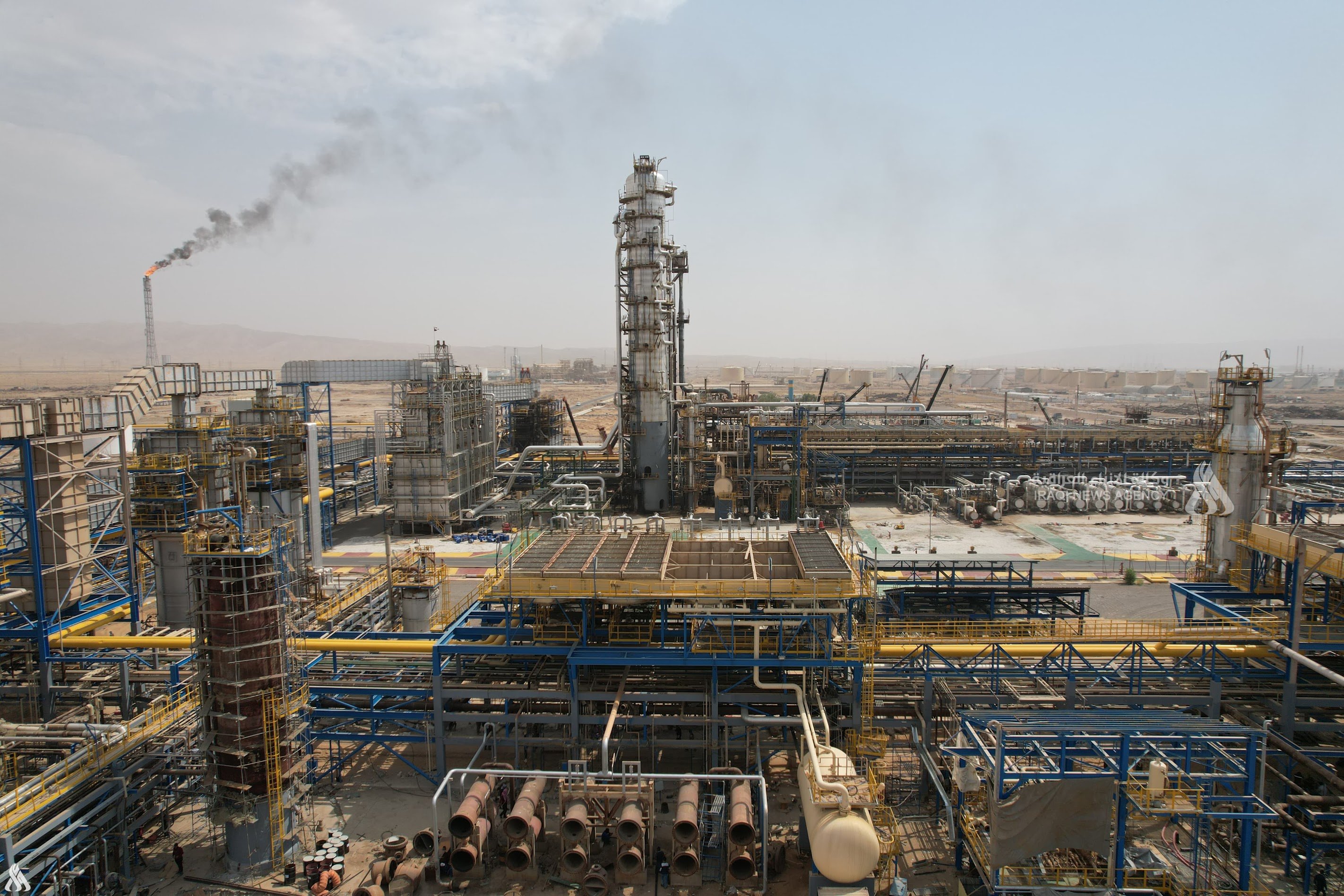
South Gas Sets End of This Year as Deadline to Complete Accelerated Project
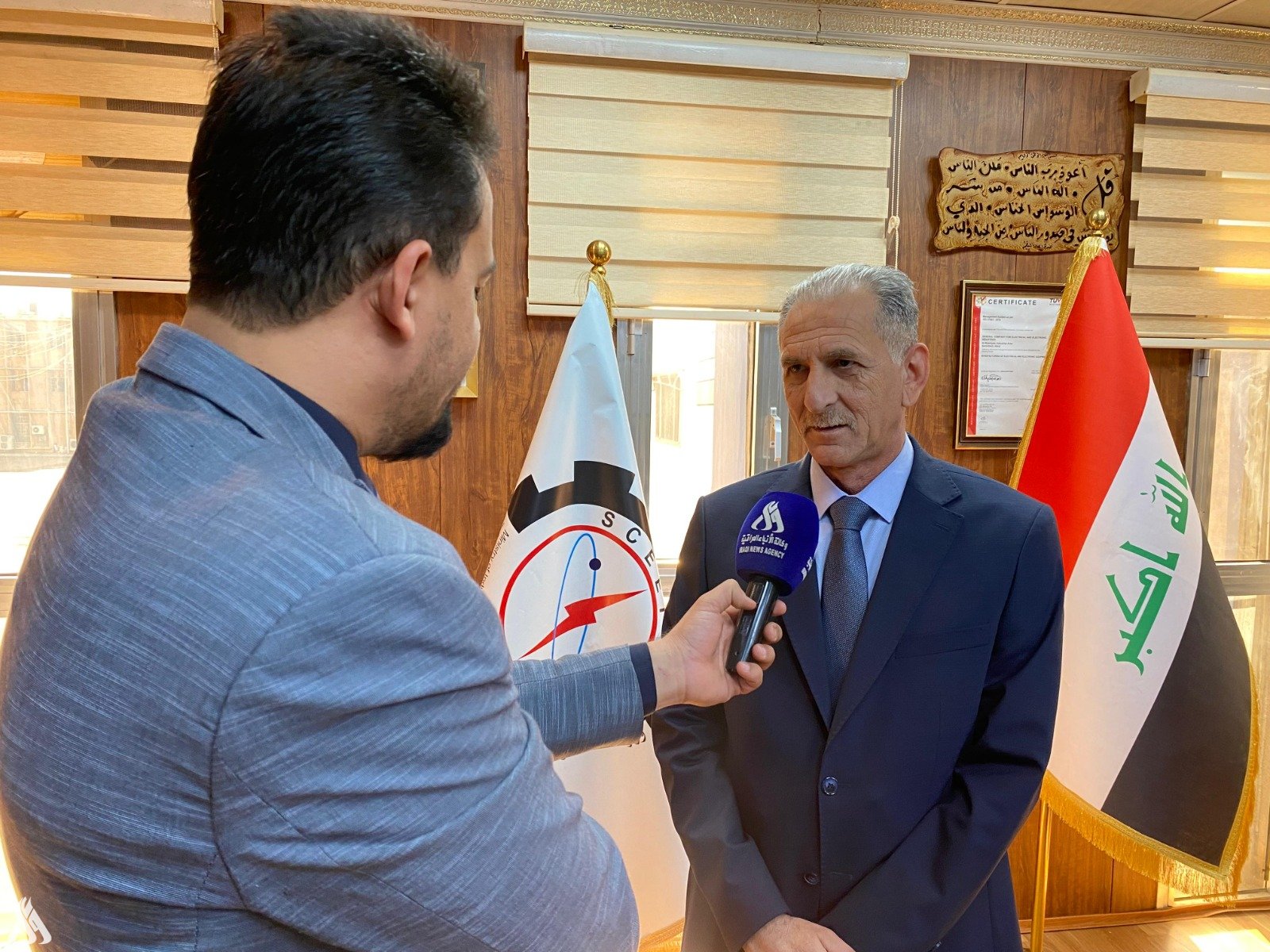
Industry: Preparing 6,000 Outdoor Lighting Units for the Ministry of Electricity
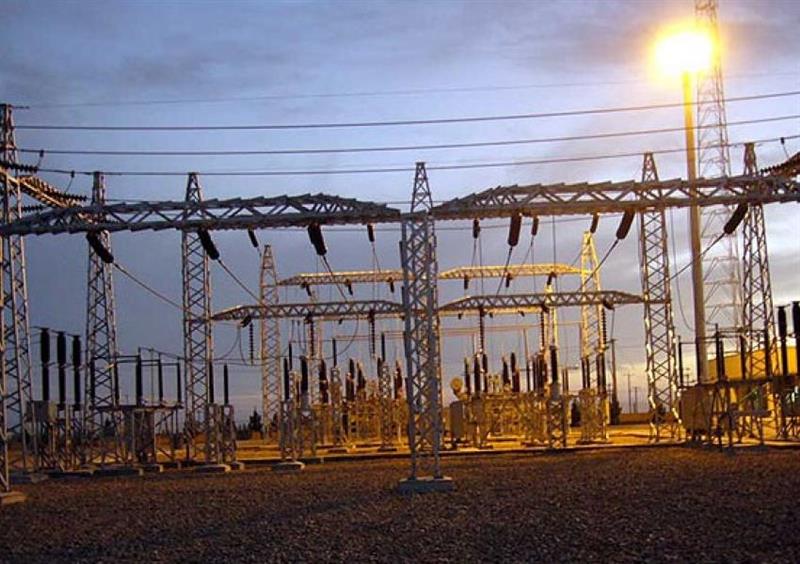
Industry: Preparing 6,000 Outdoor Lighting Units for the Ministry of Electricity
Comments List